Speaking the Local Language: A Decision Framework for Dual-Language Packs in the UK
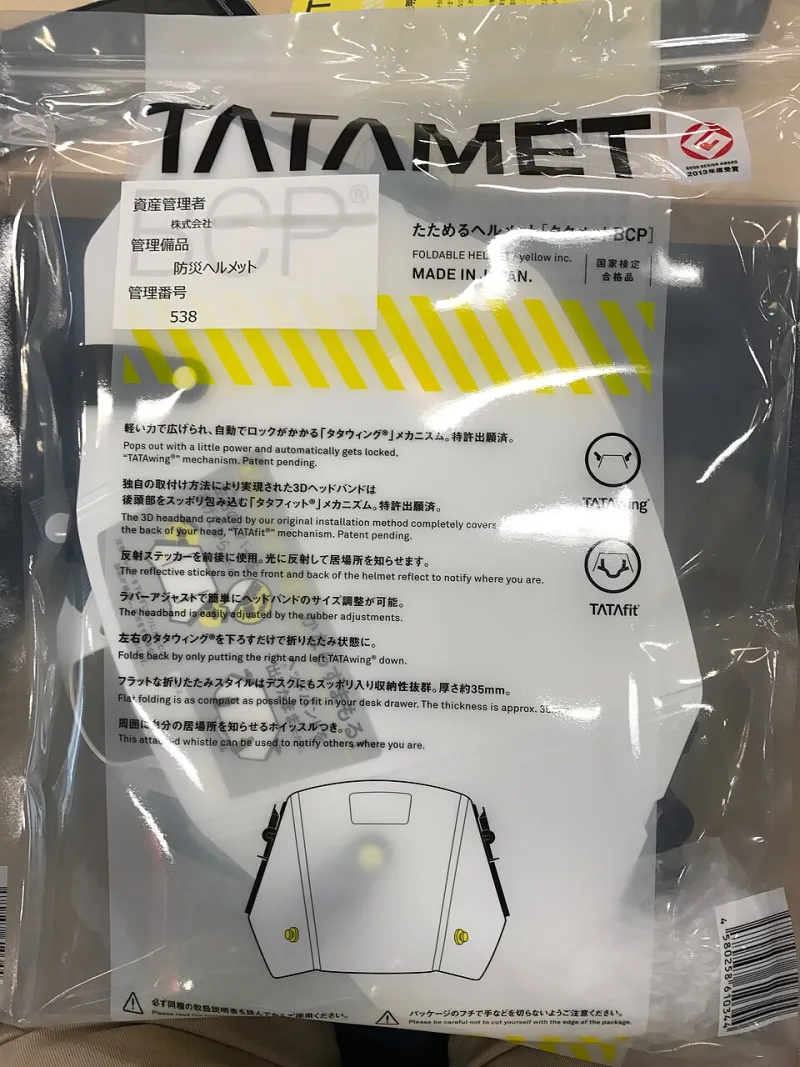
Photo: Nori Norisa, CC BY 2.0, via Wikimedia Commons
The UK is often treated as a single packaging market, but language expectations shift as goods move between nations and communities. A product that reads naturally in Manchester may feel impersonal in Caernarfon, while a well-judged English-Welsh pack can signal respect before a customer has read a single word of copy. For product businesses in 2026, the question is not whether every pack should be bilingual. It is where dual-language packaging earns its keep, and how to deliver it without turning a tidy range into a complexity project.
Start With the Customer, Not the Translation
Regional-language packaging works best when it begins with a clear view of the customer and the channel. A brand sold mainly through Welsh independent retailers, tourist shops or public-sector settings may have a stronger case for English-Welsh packaging than one whose Welsh sales are concentrated in a single online listing. Similarly, Gaelic on a heritage product in Scotland can feel considered; Gaelic on every variant of a mass-market household staple may look like decoration rather than recognition.
The first step is to map where language actually matters: the nations and regions served, the share of sales in each, the retail environments involved and the customer groups most likely to notice. A decision framework should also include the practical sales argument. Does the pack need to work on a shelf beside competitors, in a gift context, through a distributor or in a public procurement setting? Each context changes the weight given to language.
It is equally important to avoid tokenism. A single translated phrase on the front of a pack, with no thought given to the rest of the experience, can feel performative. Customers tend to recognise when a language has been included as a genuine part of the product story rather than as a compliance afterthought.
What the Rules Actually Require
For most packaged consumer goods, there is no blanket UK-wide legal requirement to print every pack bilingually. Sector-specific rules still apply, and mandatory information must remain clear and legible. Food, feed, chemicals and certain regulated products have particular requirements, and businesses should take advice on the rules relevant to their category rather than treating language as a purely creative choice.
In Wales, Welsh Language Standards apply to public bodies and some publicly funded services rather than to every private retailer. That does not make Welsh irrelevant to commercial packaging; it means the business case is usually about customer recognition, market positioning and good practice rather than a universal legal obligation. In Scotland and Northern Ireland, the picture is shaped by different cultural and policy contexts rather than by a single bilingual packaging rule.
Where safety, ingredient or usage information is mandatory, it should not be pushed behind a QR code alone. A translation can support the pack, but the critical information needs to remain accessible in the format the rules require and in a way customers can use at the point of purchase or use.
Designing a Hierarchy That Survives the Shelf
The central design question is not simply which language comes first. It is how the two languages relate to one another. Some brands use a lead-language approach, with the primary market language dominant and the second language clearly subordinate but not hidden. Others use equal prominence where the pack is intended to serve a genuinely bilingual customer base.
Hierarchy should be consistent across the range. If Welsh appears in a particular position on one SKU, it should normally occupy the same position on the next. Typographic choices matter: a smaller secondary language can quickly become illegible once statutory text, ingredients, allergens and usage instructions compete for space. Reducing font sizes to make room for a second language is rarely a good trade.
A panel system can help. The front of pack carries the brand and the most important product claim in the agreed hierarchy; the back or side panel handles ingredients, safety and usage in a structured bilingual layout. Icons, colour blocking and clear section headings can reduce the amount of repeated wording without losing clarity. The aim is a pack that reads as one designed object, not two labels placed side by side.
Space constraints are most acute on small formats: sachets, small cartons, bottles and multipacks. In these cases, the business may need to choose between a simplified bilingual pack, a bilingual outer case with monolingual inner packs, or a translation route that sits outside the printed pack. That decision should be taken early, before artwork is signed off.
Print Runs, Versioning and the Cost of Good Intentions
Dual-language packaging creates versions. Even a modest range can become a matrix of English-only, English-Welsh, English-Gaelic and market-specific variants. Each version needs artwork control, print plates or digital files, warehouse slots and forecasting attention. The cost is not only the print run; it is the operational burden of keeping the right pack with the right product in the right place.
Digital printing has made shorter versioned runs more viable for many UK product businesses, particularly where a regional-language pack is used for a defined campaign, retail listing or tourism season. Overlabelling can also be a pragmatic bridge for a trial, provided the label is durable, neatly applied and does not obscure mandatory information. Insert cards and belly bands can carry language-specific messaging without committing to a full carton reprint.
The worst outcome is a long run of a bilingual pack that sells mainly in one market while the other language adds cost and clutter. A better approach is to test demand, measure sell-through by region and scale the versioning only where the evidence supports it. Pack complexity should follow commercial reality, not aspiration alone.
QR-Linked Translations: Useful, Not a Loophole
QR codes have become a practical way to offer extended translations without asking the printed pack to carry every language. They can link to fuller ingredient explanations, usage guidance, audio content or market-specific information. For brands with multilingual customers, a QR route can also allow additional community languages to be served without creating a new printed SKU for each one.
But a QR code is not a substitute for clear on-pack essentials. It assumes a smartphone, connectivity and a willingness to scan. For older customers, accessible packaging or regulated information, that assumption may not hold. The printed pack should still carry the information needed for safe purchase and use. A QR translation works best as an enhancement: clearly signposted, mobile-friendly and available in the languages the brand has chosen to support.
Northern Ireland, Scotland and the Politics of Recognition
Northern Ireland requires particular care. Irish and Ulster Scots carry different resonances for different customers, and language choices can be read as signals of identity rather than neutral design decisions. A business should research its actual customer base and retail partners before adopting a bilingual approach. In some contexts, English-Irish packaging may be welcomed as a mark of respect; in others, it may need to be handled with greater sensitivity or avoided. The same caution applies to assumptions about which communities a product serves.
In Scotland, Gaelic can be a strong fit for heritage, tourism, food and drink and cultural products, while Scots can bring warmth and local character to copy. Neither needs to appear on every SKU. The test is whether the language adds meaning for the customer and fits the product story, rather than simply adding a regional motif.
The Branding Upside
When it is done well, regional-language packaging does more than translate. It tells a customer that the brand has thought about them. That can build trust in local retail, support word of mouth and give a product a point of difference on a crowded shelf. For Welsh customers, an English-Welsh pack can be a visible signal of commitment; for Scottish or Northern Irish customers, a considered language choice can make a product feel less generic.
The branding benefit depends on authenticity. A language check by a fluent speaker, a consistent approach across the range and a willingness to use the language in more than one isolated phrase will do more for credibility than a decorative translation. The pack should feel like it belongs in the market it serves.
A Simple Test Before You Commit
Before adding a language version, ask five questions. Which customers will notice it, and where do they buy? Does the category have specific information rules that affect the layout? Can the design hierarchy accommodate the second language without shrinking statutory text? What print, stock and forecasting complexity will the version create? And is the language being used with genuine relevance rather than as a superficial signal?
Dual-language packaging is most effective when it is treated as a market decision, a design decision and an operational decision at the same time. For UK product businesses, the opportunity is not to translate everything. It is to choose the moments where speaking the local language makes the product clearer, warmer and more credible.