Second Time Around: Packaging for the UK's Resale Economy
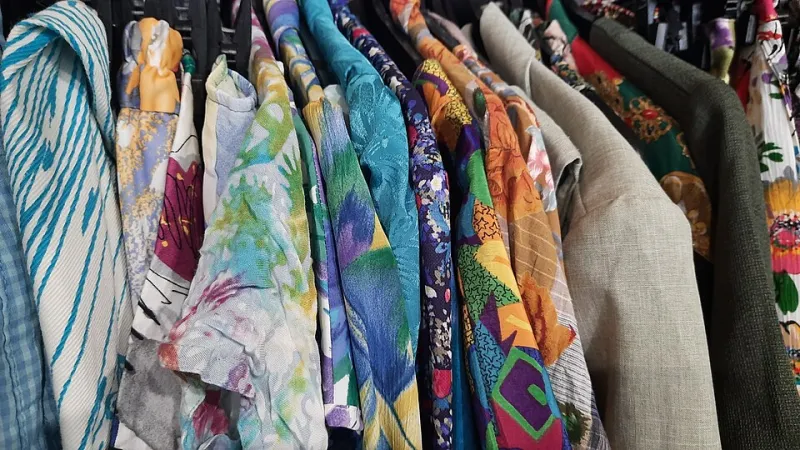
Photo: MAKY.OREL, CC0, via Wikimedia Commons
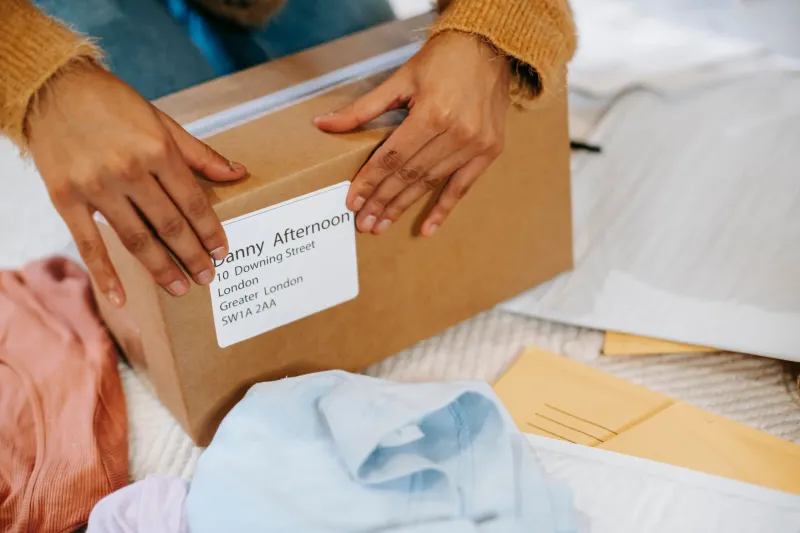
The UK has always had a vigorous second-hand trade — charity shops, car boot sales, newspaper classifieds. What has changed is the packaging. When a dress bought on Vinted arrives in a reused cereal box wrapped in enough bubble wrap to cushion a television, the transaction still works, but the materials bill and the recycling burden do not. When the same dress arrives in a clean paper mailer, flat-folded, with a handwritten note and a care card, the seller earns a review and the environment is spared a layer of plastic.
The resale parcel is a retail experience
Platforms have industrialised what was once informal. Sellers on Vinted, eBay and Depop are rated publicly on dispatch speed and item condition, and a disproportionate share of complaints concern presentation and transit damage rather than the item itself. In effect, a generation of micro-retailers is learning packaging practice from scratch, while established brands launch their own resale and repair channels and discover that the pack they designed for a first sale behaves very differently on the second.
Protect the item, not the void
Overpacking is the most common error, and it is usually driven by anxiety rather than analysis. Two principles keep it in check.
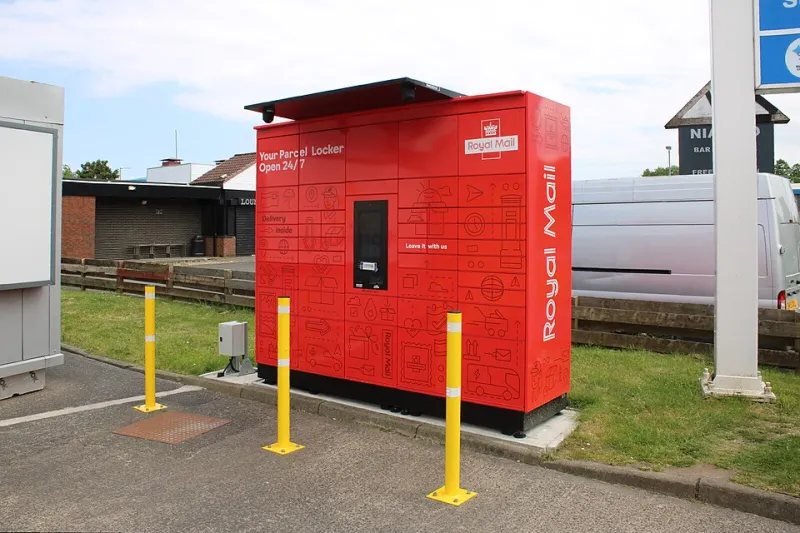
Right-size the outer first. Royal Mail prices by format — letter, large letter, small parcel — as well as by weight, and Evri and other carriers work on weight bands. A box one centimetre over the large-letter depth threshold can double the postage on a low-value item, while a mailer that is generously oversized invites crushing at the corners and adds void fill that the buyer then has to dispose of.
Match the material to the failure mode. A garment needs water resistance and a smooth interior, not rigidity. Ceramics and glassware need cushioning on the corners and separation between pieces. Books need edge protection and nothing else. Choosing one protective strategy per item type removes the instinct to apply all of them at once.
Materials with a useful second life
Paper mailers, padded paper, and board boxes without laminated film or glued-in foam are the practical default for most resellers, since they are widely accepted in household recycling and can be reused several times before they degrade. Paper tape rather than plastic tape matters more than it sounds: it keeps the whole parcel in a single waste stream and makes the outer easy to open without a blade.
Repurposing is entirely legitimate — a clean, unbranded box is a perfectly good box — provided the outer looks deliberate rather than improvised. Remove old labels, avoid crossing out addresses with marker, and keep the shape square. Where a seller is handling volume, buying plain mailers in two or three sizes in bulk is usually cheaper than hoarding a chaotic assortment of rescued packaging.
Two things to avoid: plastic void fill that the recipient cannot recycle locally, and seeded or "plantable" inserts unless the seed mix is native and non-invasive, since a well-meant insert can become a garden problem.
Inserts that inform rather than alienate
A card in a resale parcel has to justify its own existence. The ones that work carry information the buyer will actually want later: how to wash the item, how to store it, what the measurements were, and how to reach the seller if something is wrong. A QR code to a care guide costs nothing to print and survives the transit that a long URL does not. Keep the card uncoated and single-sided where possible, and resist the temptation to include marketing material for a business the buyer has not dealt with.
For brands operating resale channels, an authenticity note, a record of any refurbishment, and a clear statement of what the item's condition grade means will do more for trust than a heavy card stock.
Designing a pack for its second, third and fourth trip
Brands moving into resale, repair or rental have an advantage they rarely use: they can specify packaging that survives. Practical moves include:
- Separating the printed outer from the structural inner. A printed sleeve or belly band can be recycled or replaced while the rigid box underneath stays in service.
- Avoiding glued-in components. Foam inserts bonded to board, laminated wraps and heat-sealed windows all reduce reusability and recyclability at once.
- Specifying a closure that reopens and recloses. A magnetic rigid box or a mailer with a resealable strip is a better long-term asset than a glued carton that can only be destroyed.
- Including a care and repacking card. If the pack is designed to be sent on, tell the customer how — otherwise the second trip is improvised.
- Standardising sizes across a range. A small set of footprints keeps postage predictable and lets mailers be reused without a mismatch.
There is a supply-chain argument alongside the environmental one. A box that is reused is a box that is not bought again, and for a brand paying both packaging and producer obligation costs, durability is a form of thrift.
A short checklist for the next dispatch
Choose the smallest outer that protects the item; use paper-based protection where the item allows; tape with paper; remove old labels; include one card with care and contact information; state the condition and measurements clearly on the platform listing so the packaging does not have to compensate for a disappointed expectation. None of this requires a design budget. It simply requires treating the parcel as part of the product — which, in a market built on reviews, it now is.