The Living Parcel: Packing Plants and Bulbs for UK Couriers Without Suffocating Them
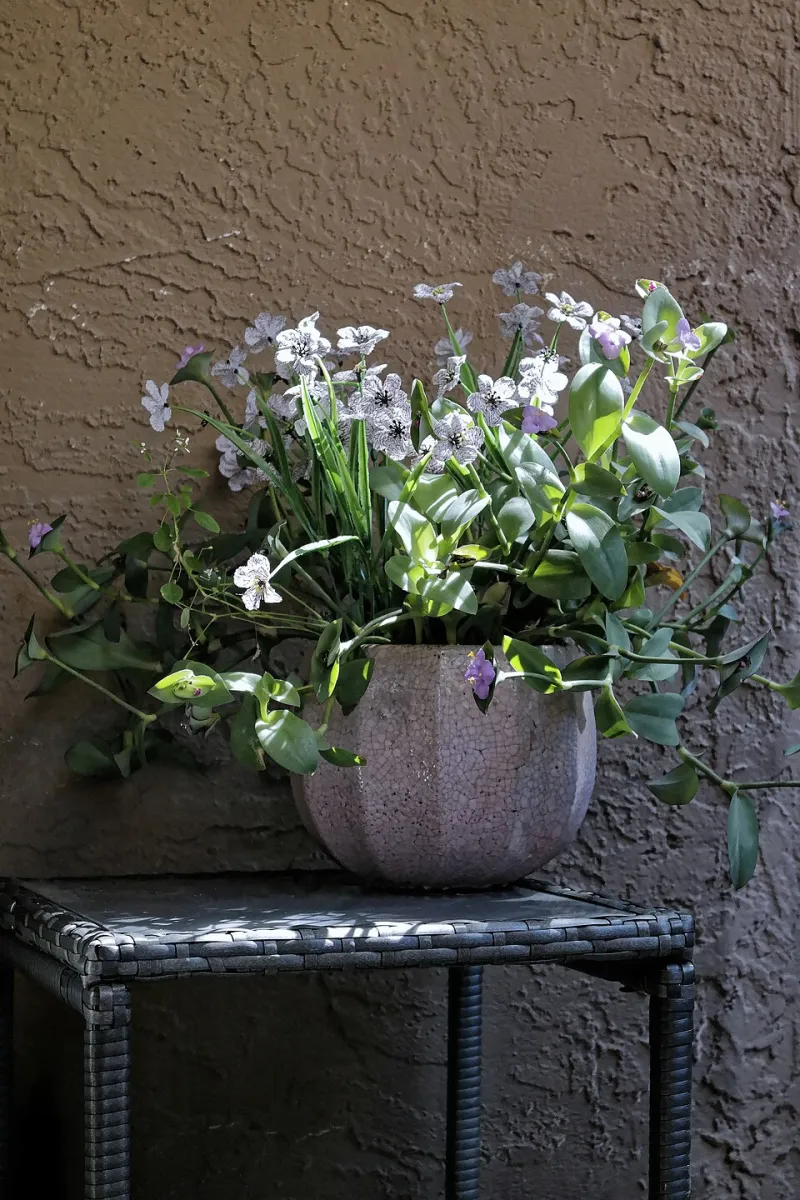
Photo: Almapayokels, CC0, via Wikimedia Commons
Living plants do not behave like most retail goods. A candle can wait in a depot; a fern cannot. A boxed mug will tolerate a cool, dry warehouse; a tray of rooted cuttings will not. For UK nurseries, florists and bulb sellers, packaging has to perform as a short-term habitat as well as a protective shell. In 2026, parcel networks are faster and more transparent than ever, but they still involve sorting hubs, fluctuating temperatures, damp loading bays and the occasional weekend delay. The pack must be designed for that reality, not for the dispatch bench alone.
Design around the journey, not the dispatch bench
Most UK plant parcels will spend between one and three days in a courier network. Some will spend longer. The packing specification should begin with a simple question: what state should the plant be in when the box is opened? A dormant bulb, a hardy shrub and a delicate houseplant each answer that question differently. Dormant bulbs can tolerate cooler, darker conditions and benefit from airflow around the bulb itself. Rooted plants need stable moisture and protection from crushing. Cut flowers and foliage need support and a clean water source without creating a leaking parcel.
That means the outer box cannot be chosen in isolation. It has to be considered alongside the root-ball wrap, the stem support, the cushioning and the ventilation strategy. A strong box around a sealed, sweating plant is not protection; it is merely a tidier failure.
Breathability and moisture control belong together
Sealing a plant into a plastic bag creates a humid chamber. In a cool depot that may seem harmless; in a warm van it can encourage condensation, mould and softened foliage. The goal is not to dry the plant out, but to keep moisture where it belongs and allow excess humidity to escape.
For leafy plants, a breathable paper wrap or a micro-perforated liner is often more appropriate than a fully sealed film bag. Where film is necessary to contain water, it should be tested for condensation over a 48-hour period rather than assumed to work. Compost should be moist before dispatch, not saturated. A root ball that drips in transit will weaken the box, stain the packaging and create a poor unboxing experience for the customer.
Hydration gels and moisture pads can help in specific applications, but they should be used only after trials with the actual species and journey profile. More moisture is not automatically better. For bulbs, dry paper bags or mesh nets allow airflow and prevent condensation. For plants in active growth, a ventilated outer carton or discreet vent holes may be preferable to a completely closed box, provided the openings do not compromise strength or allow the plant to escape.
Keep compost in its place
Loose compost is a contamination risk. It can coat leaves, obscure branding, escape through box seams and suggest poor quality before the plant is even seen. The root ball should be contained independently of the outer box. A double-bag method, with the inner bag twisted and tied or taped securely, is a practical starting point. The outer bag or wrap should then be folded and secured so that it cannot work loose during handling.
An absorbent pad beneath the root ball adds a second layer of control. For potted plants, a moulded pulp or corrugated collar can hold the pot upright and reduce movement. For bare-root and bulb orders, paper bags, netting or small ventilated cartons are usually better than sealed plastic, because they allow air movement while keeping the product together. Whichever route is chosen, the compost should not be used as loose void fill. It is a growing medium, not packing material.
Support stems and protect roots without strapping them
Stems bruise easily, and tape applied directly to foliage or stems can tear plant tissue when the customer removes it. A paper collar, a light sleeve or a corrugated support can keep stems upright without compressing them. The aim is to limit movement, not to immobilise the plant so tightly that it cannot breathe or settle.
Roots need cushioning from impact, but they should not be crushed. A layer of kraft paper, a moulded pulp cradle or a corrugated insert can absorb shock around the root zone. The insert should be sized to the pot or root ball rather than forced into a standard box cavity. When a plant moves inside its carton, the root ball acts like a hammer against the box walls; when it is over-packed, the roots and stems can be damaged before dispatch.
Box strength in damp British conditions
Corrugated board loses strength when it absorbs moisture. In the UK, a parcel may pass through a damp loading bay, a cold depot and a warm delivery van in the same journey. For live plants, a double-wall corrugated box or a higher-grade single-wall board is often prudent. Water-resistant liners and moisture-tolerant adhesives can help, but they must be balanced against the recyclability profile of the pack. A coating that keeps the box dry but prevents easy recycling is rarely a good trade for a product business that wants to make credible environmental claims.
Paper tape is generally preferable to plastic tape where the outer box is intended for kerbside recycling, provided it has been tested for adhesion in damp conditions. Any ventilation holes should be positioned away from the base and from areas likely to collect water. The box should also be checked for compression strength after a simulated damp cycle, not only in a dry packing room.
Test the parcel, then design the unboxing
The unboxing moment matters, but it should not undermine the plant's chances. A branded paper band, a printed care card and a clean inner wrap can create a distinctive presentation without sealing the plant into a decorative layer that traps moisture. Tissue paper should be used sparingly around foliage, and any printed insert should be kept away from wet compost.
Before launch, test the complete pack with a drop test, a 48-hour vibration simulation and a period in a cool, humid environment. Then open it as a customer would. If the plant is bruised, the box is soft or the compost has escaped, the pack needs revision. If the plant is healthy and the presentation is calm and considered, the packaging has done its job.
A practical material shortlist for UK plant sellers
- Double-wall corrugated boxes for larger or heavier planted orders.
- Moulded pulp cradles or corrugated inserts to hold pots and root balls.
- Kraft paper and paper tape for recyclable wrapping and sealing.
- Micro-perforated film only where moisture control has been tested.
- Absorbent pads beneath root balls to contain minor leakage.
- Paper bags or mesh nets for bulbs and bare-root products.
- Printed care cards and paper bands for branding without excess material.
Living plants will always be more demanding to post than dry goods. The answer is not to over-pack them into an airtight fortress, but to design a pack that respects their biology and the realities of the UK parcel network. Breathability, measured moisture, secure compost and a strong, damp-resistant box are the foundations. The unboxing moment can then follow naturally, without asking the plant to survive the packaging as well as the journey.