A Box That Goes to the Fair and Through the Post: Packaging for UK Makers

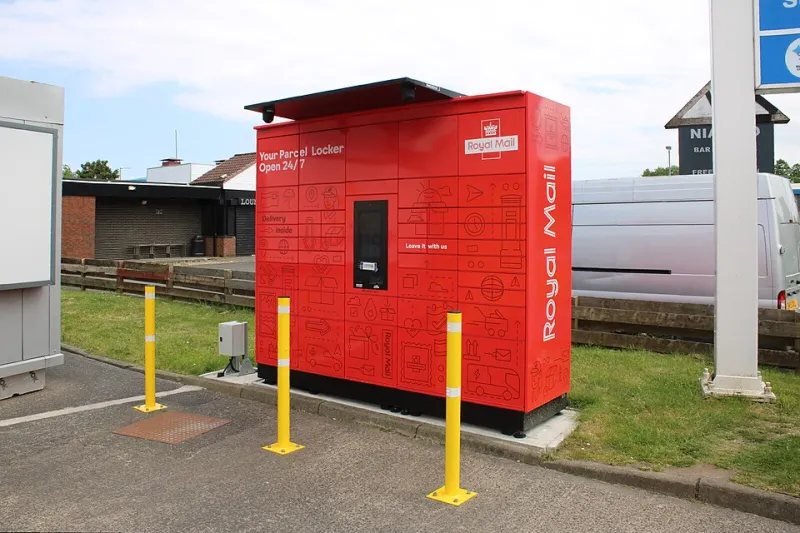
Photo: Anthony O'Neil , CC BY-SA 2.0, via Wikimedia Commons
UK makers often sell through two very different channels in the same month. A weekend craft fair or farmers' market rewards packaging that looks good on a table and can be carried home. An online order rewards packaging that survives a courier network and arrives presentable. Buying separate retail and postal ranges is the obvious answer, but it ties up cash in duplicate stock and creates waste when one channel outgrows the other. A dual-purpose approach is not a single box that does everything. It is a packaging system designed around the whole journey.
Start with the journey, not the box
Map the route before choosing a format. Packaging may sit in a studio, be loaded into a van, stacked on a trestle table, handled by customers, carried through a market, stored at home and then posted. Each stage brings a different stress: abrasion in transit, vibration in a van, spillage at a stall, rain on a doorstep, compression in a sorting office.
The useful distinction is between the primary pack, which touches the product and carries the brand, and the transit pack, which protects it. Some products can use one pack for both roles. Others cannot, particularly fragile ceramics, glass and heavy items. For those, the aim is not to force a single box but to make the primary pack do display duty and keep the transit outer common across the range.
Formats that do double duty
For textiles, candles, soap, stationery and other robust items, a printed corrugated mailer can work as both retail bag and postal box. Choose a self-seal mailer with a tear strip, a clean printed exterior and enough rigidity to protect the contents. At a fair it becomes the customer's carry-home pack; online it goes straight into the postal system. Keep the design free of event names and dates so leftovers remain usable.
For products that need to be seen, a display carton with a removable lid or a fold-back header can be packed flat for the van and set up on the table. The same carton, closed and labelled, can be posted if it is strong enough. Test the closure under compression before committing. A box that looks neat on a table but bursts in the post is not dual-purpose.
A modular system is often more practical. Use a small range of plain or lightly printed fibre boxes in two or three sizes, then add product-specific belly bands, labels or cards for display. At a fair the band carries the product name and price; online the same box is sealed and addressed. This reduces the number of printed components and makes event changes cheap. It also keeps unprinted stock useful across the whole range.
Protection without overpacking
Dual-purpose packaging fails most often at the protection stage. A retail box that is adequate for a hand-carried purchase may not survive a sorting office. Test a packed order with a drop from around 800mm onto a hard floor, and repeat it on corners and edges. Shake it to check for movement. If the product rattles, the void fill is wrong.
Use corrugated inserts, moulded pulp, paper honeycomb or crumpled paper to hold the product away from the walls. Avoid loose fill for market stock: it is messy at a stall and slow to pack. Right-size the box rather than filling a large one with air. For fragile items, a double-wall outer and a proper insert will do more than extra tape.
Weather matters in the UK. A market stall may be damp and a parcel may wait on a doorstep. Paper-based packaging can cope if it is kept off the ground and packed with a water-resistant inner wrap where necessary. Paper tape and water-based inks keep the pack compatible with fibre recycling. If a plastic window or laminated finish is essential, check how the customer will separate it and whether local kerbside collection accepts it.
Branding that survives both settings
The brand should be recognisable in both channels without being tied to one event. Use a consistent colour palette, logo placement and typography across the box, band and insert. Keep the primary pack free of venue names, dates and 'market only' offers; put variable information on a removable label or card. A QR code can link to care instructions, a reorder page or a returns policy, but it should not be the only way to find essential information.
On the table, packaging is part of the display. Stackable boxes in one or two sizes look calmer than a jumble of formats. A printed belly band can carry the price and product name while the box stays generic. Online, the exterior should look considered but not so gift-like that it invites attention on a doorstep. A neutral outer with a branded insert gives protection and presentation without overpromising.
The compliance and waste case
Fewer packaging formats mean simpler stock control and less obsolete print. That matters as UK packaging data reporting becomes part of routine administration. Every component has a material weight and a waste stream, and a smaller range is easier to record and explain. Fibre-based, mono-material packs are generally easier to recycle than mixed-material constructions, provided tape, labels and inserts are compatible.
Dual-purpose packaging is not automatically lower impact. A heavier box used for every order can outweigh the savings from avoiding a second range. The aim is right-sizing: the lightest pack that protects the product and presents it well. Reuse the transit outer where possible, and choose materials that customers can recycle at home.
A practical stocking plan
Choose two or three box sizes that cover most products, one common outer for fragile ranges, and a small set of printed bands or labels. Order the common components in larger quantities and the event-specific items in small batches. Keep a packing station with the same insert and tape across channels so staff do not have to relearn the process.
Test one market and one posting cycle before scaling up. Record damage rates, packing time and customer comments. A dual-purpose system should reduce the number of SKUs, not add complexity. When it works, the same pack that sells on a Saturday can leave the studio on a Monday without a second packaging decision.