Doorstep, Depot, Display: A Three-Tier Packing Plan for UK Brands
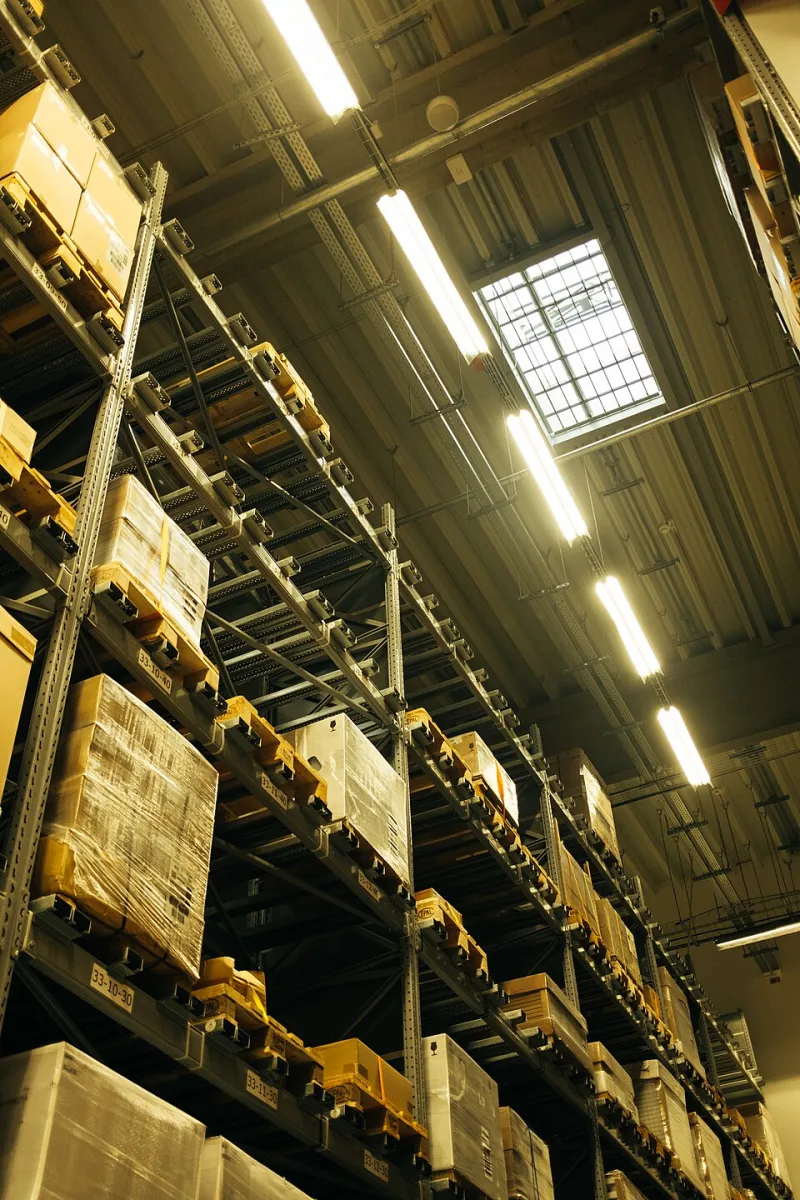
Photo: Shixart1985, CC BY 2.0, via Wikimedia Commons
Most small UK product businesses begin with one packaging format: a mailer or carton that works for direct orders. That is a rational first step. The difficulty arrives when a retailer, distributor or marketplace asks for a case, or when a buyer asks for a shelf-ready outer. At that point the original pack is often pressed into service beyond its brief, and the result is a damaged consignment, a rejected delivery or a print bill that was never planned for.
A more robust approach is to treat packaging as three tiers of performance rather than three separate brands. The product stays the same; the audience, handling route and commercial pressure change. The aim is not to design three packs in isolation, but to write three clear briefs that share a common product specification.
Start with the route, not the box
Before choosing board grade or print method, map the journeys the product will take. A direct-to-consumer parcel is handled by a carrier, stored briefly and opened by a customer. A wholesale case is stacked on a pallet, moved by forklift, stored in a stockroom and opened repeatedly with a knife. A shelf-ready outer is judged by a retail buyer, handled by store staff and viewed by shoppers in a fixture.
Those are different jobs. The direct parcel must protect one unit and represent the brand. The wholesale case must protect many units and survive compression, humidity and rough handling. The shelf-ready outer must do both while presenting the product clearly and meeting the retailer's opening and replenishment requirements. Writing these requirements down at the start prevents the most common error: over-specifying one tier and under-specifying another.
Tier one: the direct parcel
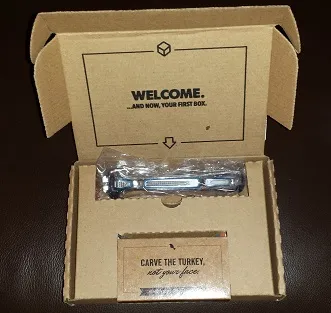
For direct sales, the parcel is part of the customer experience, but it is also a cost centre. The practical brief should cover product protection, carrier size bands, weight limits, returns and the unboxing sequence. In the UK, parcel dimensions and weights matter because carriers price by both. A carton that is slightly too large can cost more in volumetric terms than the product justifies.
Branding can be effective without a fully printed outer. A stock mailer with a printed label, branded tape or a printed insert may be sufficient for a small brand testing a range. Where volume supports it, a flexographically printed mailer or a one-colour carton can lift the presentation without committing to a large lithographic run. The cost here sits in per-unit print, fulfilment labour and void fill. The common mistake is to spend on the outer while neglecting the internal fit, which leads to movement, scuffing and returns.
Tier two: the wholesale case
The wholesale case is a logistics component first and a marketing surface second. Its brief should specify the number of units, the board grade, the stacking strength, the pallet footprint and the labelling requirements. In the UK, the standard pallet footprint of 1,200mm by 1,000mm is a useful starting constraint. A case that does not fit neatly wastes pallet space and increases freight cost per unit.
This is the tier where plain packaging is often the sensible choice. A unprinted or single-colour case with a clear product label, batch code and handling symbols will usually satisfy a distributor. The money is better spent on board strength, accurate dimensions and a case that opens and recloses cleanly in a stockroom. Graphics on a wholesale case are rarely seen by the end customer and are often damaged in transit. The cost driver is material and testing, not print.
Tier three: the shelf-ready outer
Shelf-ready packaging is the tier that most often surprises small brands. Retail buyers have specific requirements for opening, shelf presentation, product visibility and replenishment. These requirements vary by retailer and by category, so there is no universal specification. A buyer may require a tear strip, a perforated opening, a particular shelf depth or a defined facing. Some retailers will accept a shelf-ready tray; others will not.
The brief should be written with the named retailer in mind. It should include a physical sample, a shelf trial and a clear opening instruction. The cost here is front-loaded: tooling, print plates, structural design and compliance testing. That is why a shelf-ready outer is usually the last tier a small brand adds, not the first. It is also why a separate SKU can be justified at this level when the volume and margin support it.
Where the cost actually sits
| Tier | Main cost driver | Common mistake |
|---|---|---|
| Direct parcel | Per-unit print, fulfilment labour, void fill | Over-branding an outer that is immediately discarded |
| Wholesale case | Board strength, case engineering, pallet fit | Treating the case as a billboard |
| Shelf-ready outer | Tooling, retailer compliance, print registration | Assuming one shelf-ready format fits all retailers |
Exact figures depend on board grade, print process, order quantity and retailer specification. A useful discipline is to cost each tier per unit sold, not per pack ordered. A wholesale case that costs more per box but reduces damage and improves pallet efficiency may be cheaper per unit than a flimsier case that appears economical on the quotation.
When a separate SKU is worth the print run
A separate shelf-ready SKU is usually justified when a retailer's volume can absorb the setup cost within a reasonable period, when the shelf format materially improves rate of sale, or when the buyer makes it a condition of listing. It is rarely justified for a single trial order, or for a channel where the product is sold from a stockroom rather than a shelf.
There is also a middle route: a stock shelf-ready tray with a printed header or label. This can satisfy a buyer's functional requirements without committing to a full print run. The decision should be based on the buyer's specification, the expected volume and the cost of holding an additional SKU. Packaging data should be recorded by component and material so that any extended producer responsibility obligations and customer claims can be checked without a manual audit.
A practical sequence
Start with the direct parcel, because it is the simplest to test and the easiest to change. Then design the wholesale case around the product and the pallet, not around the direct pack. Add the shelf-ready outer only when a named retailer's requirements are known. Keep the product specification consistent across all three tiers, and document the case count, board grade and opening method so that repeat orders do not drift.
The result is not three unrelated packs. It is one product with three clear performance briefs, each costed against the channel it serves. That is a more defensible position for a UK brand than improvising when the first wholesale enquiry arrives.